Team History
29th November, 1965
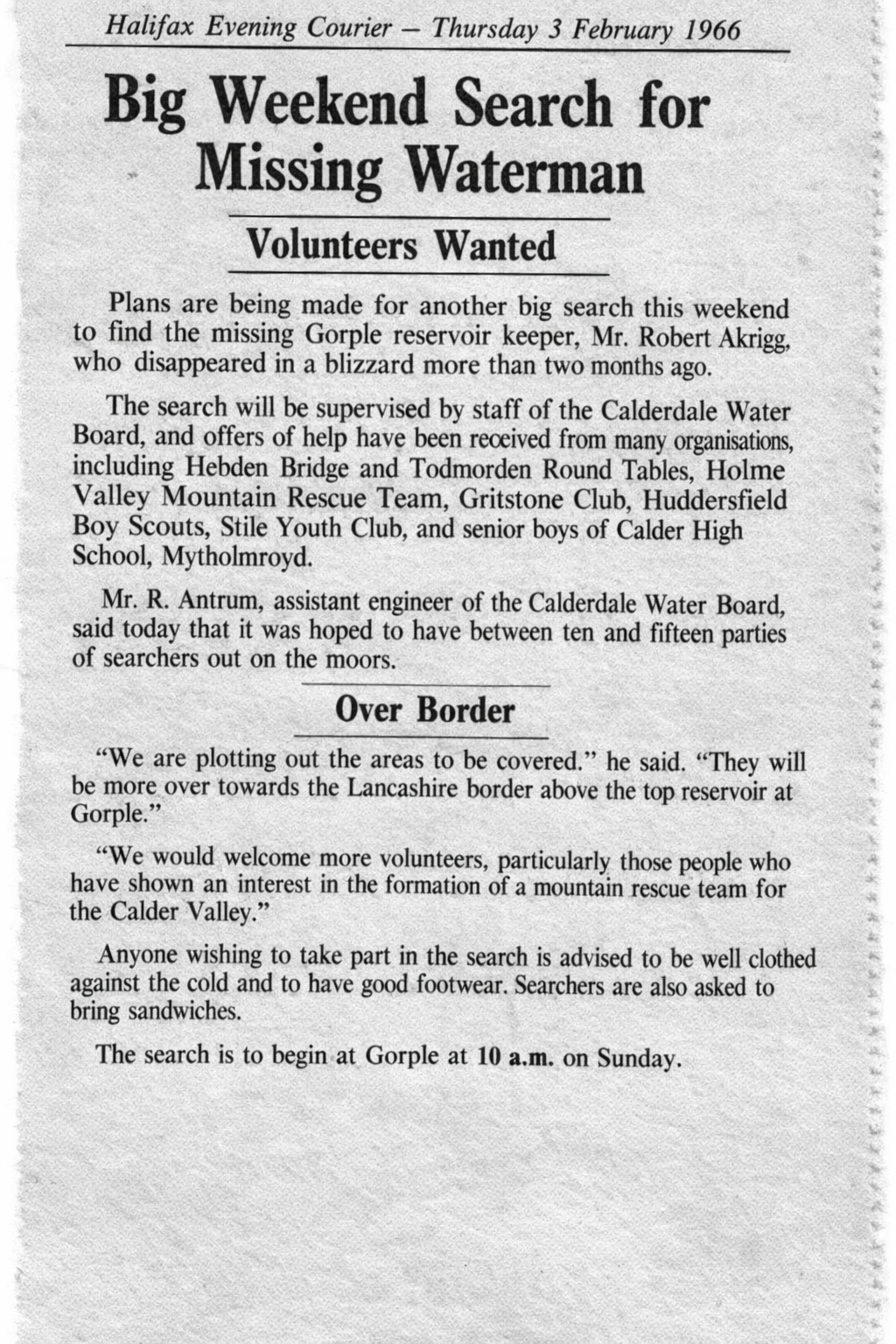
Search for Mr Akrigg
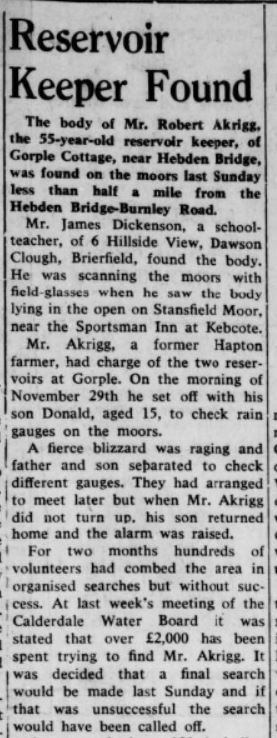
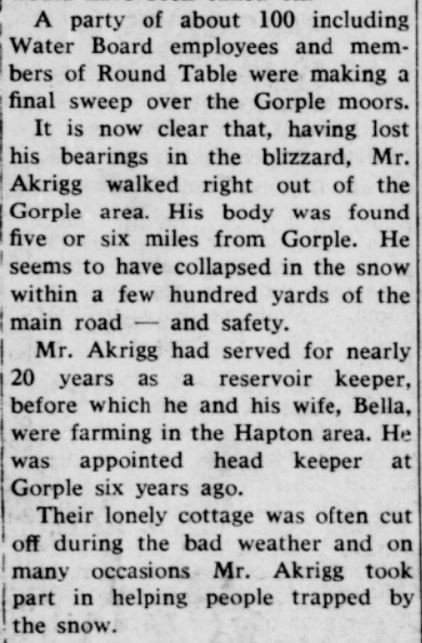
On the 29th November 1965, Robert Akrigg, a reservoir worker went missing on the moor while checking water gauges. Many people came together to search. At this point the Calder Valley did not have a dedicated Search and Rescue Team, but the sad disappearance of Mr Akrigg was the catalyst for the formation of CVSRT.
Sunday 6th February, 1966
Missing man found
On the day of his disappearance, Mr Akrigg was accompanied by his 15-year-old son, Donald. With a blizzard blowing across the moors, they separated to check two different gauges, arranging to meet later. Mr Akrigg never appeared, and Donald returned home to raise the alarm.
For two months, hundreds of searchers walked the moors looking for him. It was not until Sunday 6th February 1966 that Mr Akrigg was found on Stansfield Moor, 69 days after he went missing. He was just 55 years old.
15th February, 1966
Formation of Calder Valley Moorland Rescue Association
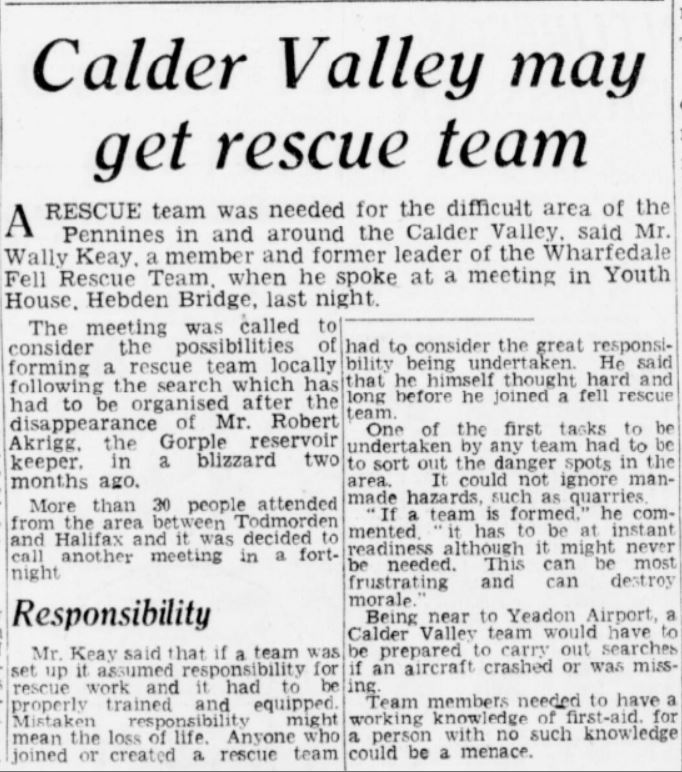
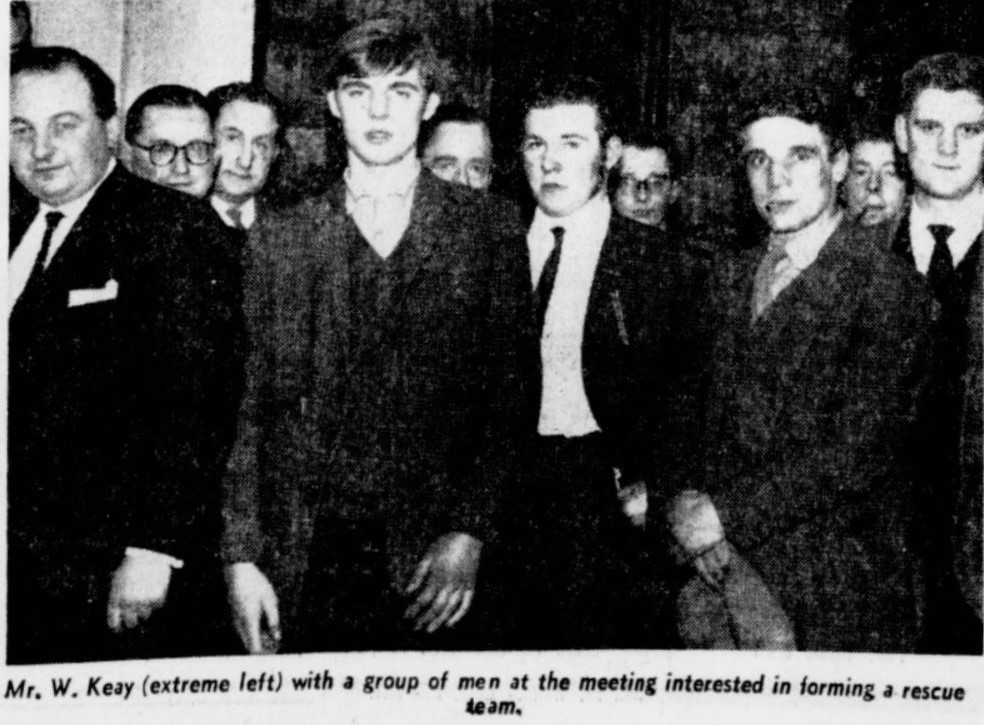
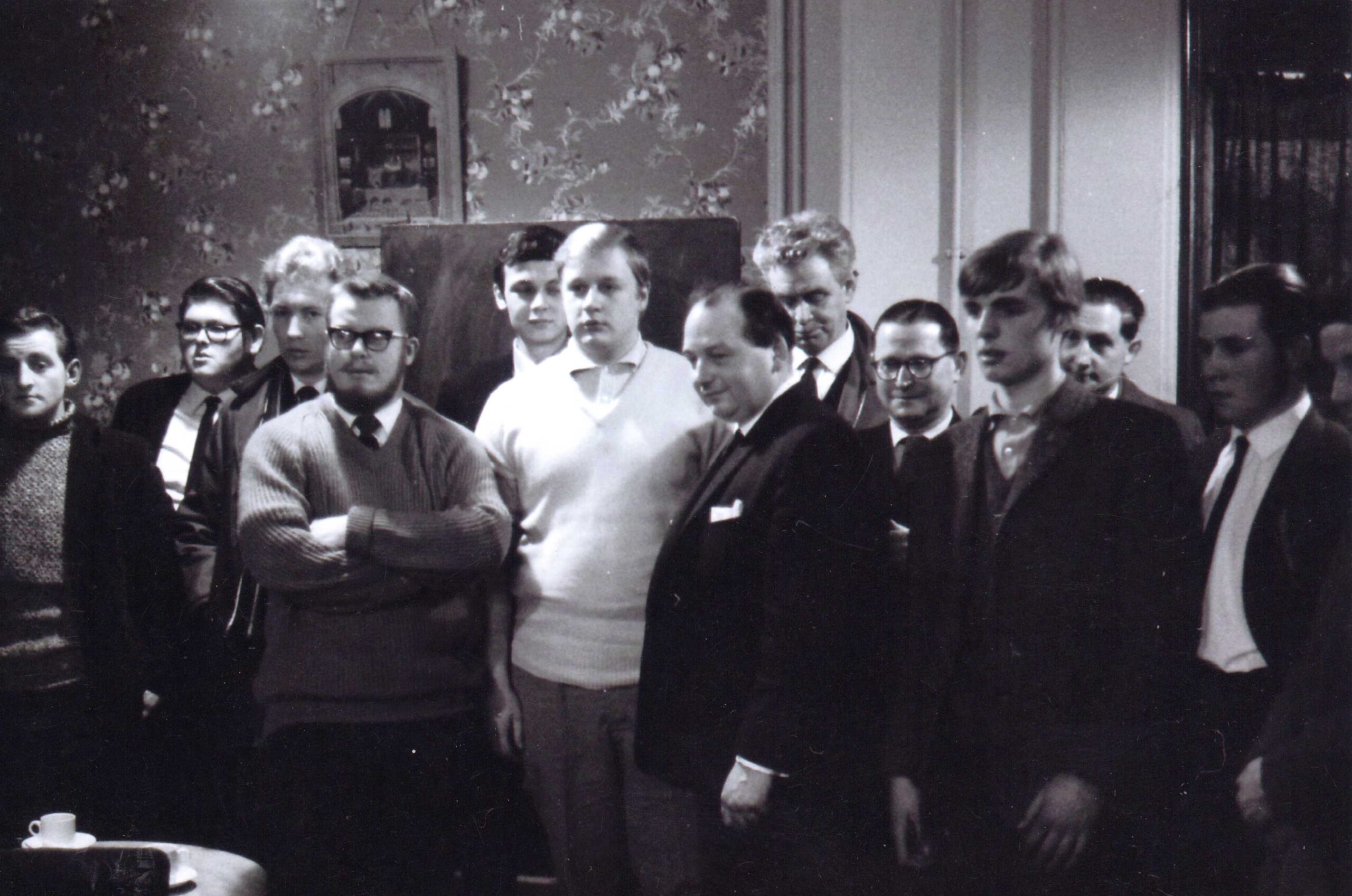
After the disappearance of Robert Akrigg it became clear that searches in the area often had to be organised at short notice and without a dedicated local team. At a meeting held at the Youth House in Hebden Bridge, more than 30 people from across the area gathered to discuss forming a local rescue team.
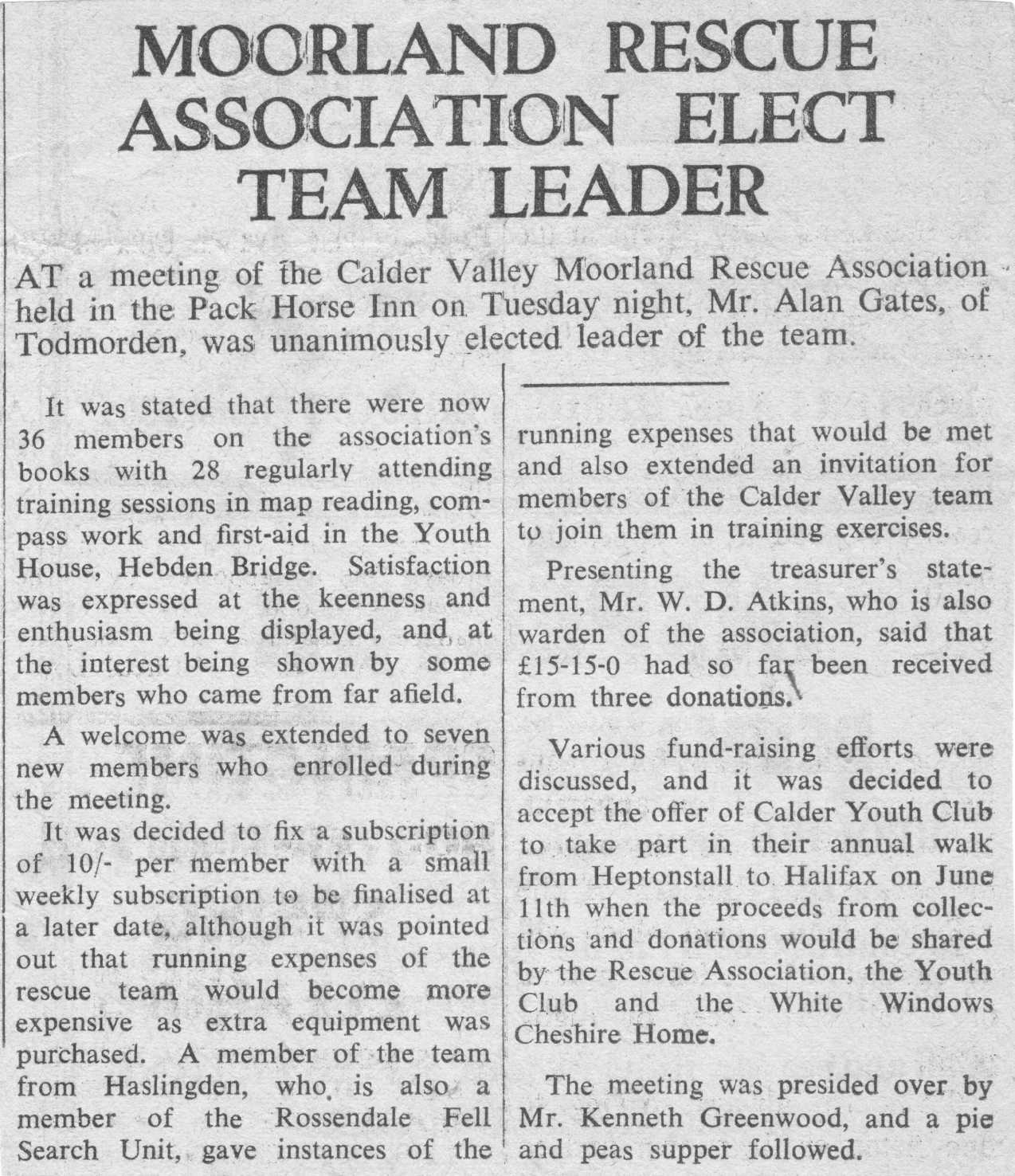
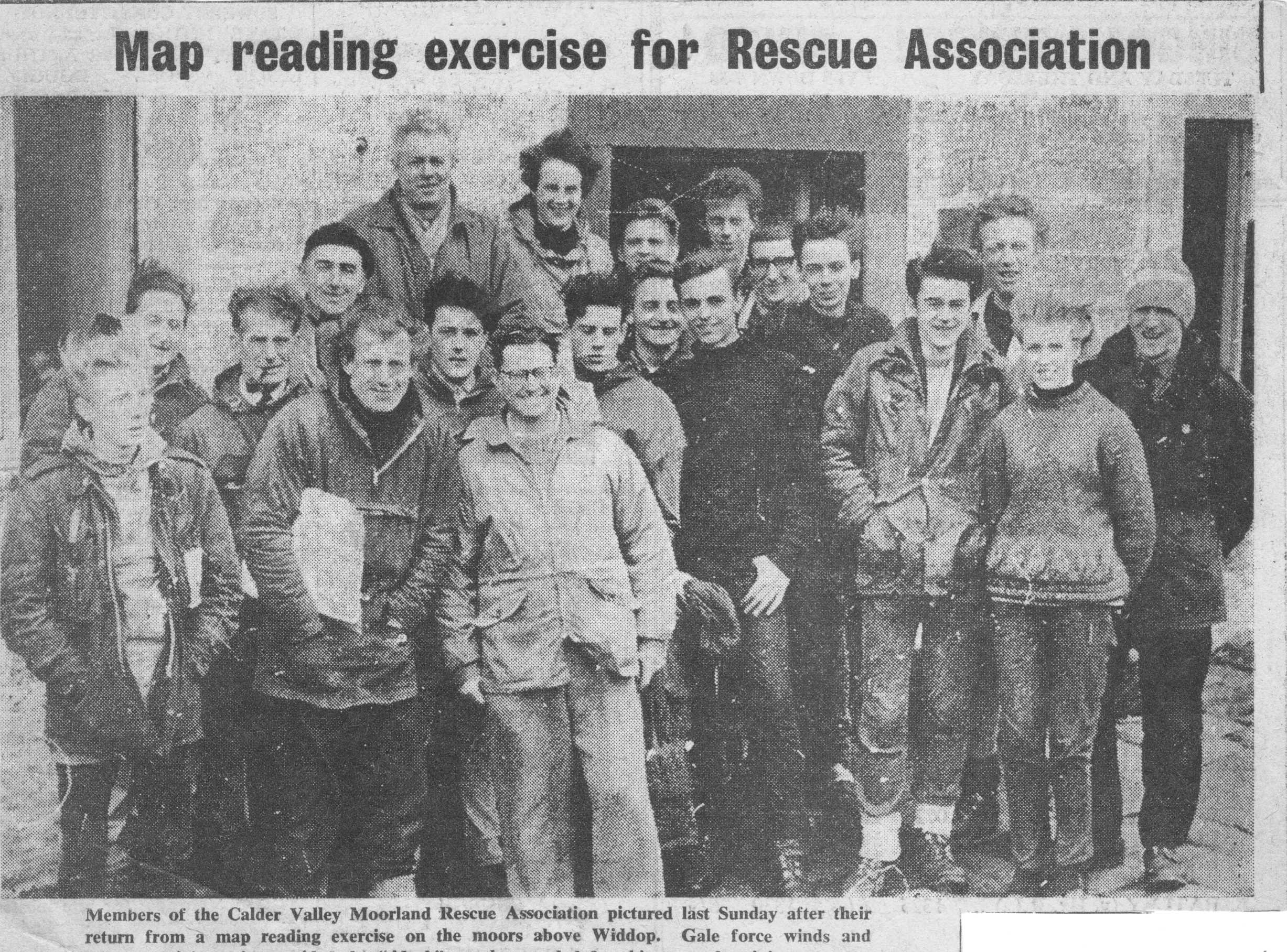
Within a short time the newly formed Calder Valley Moorland Rescue Association had 36 members, with 28 regularly attending training sessions.
19th June, 1990
Name changed to Calder Valley Search & Rescue Team
February, 2026
Team 60th Anniversary Year
Look out for our 60th anniversary events in the ‘Upcoming Events‘ section of the home page.
Search for Missing Reservoir Worker
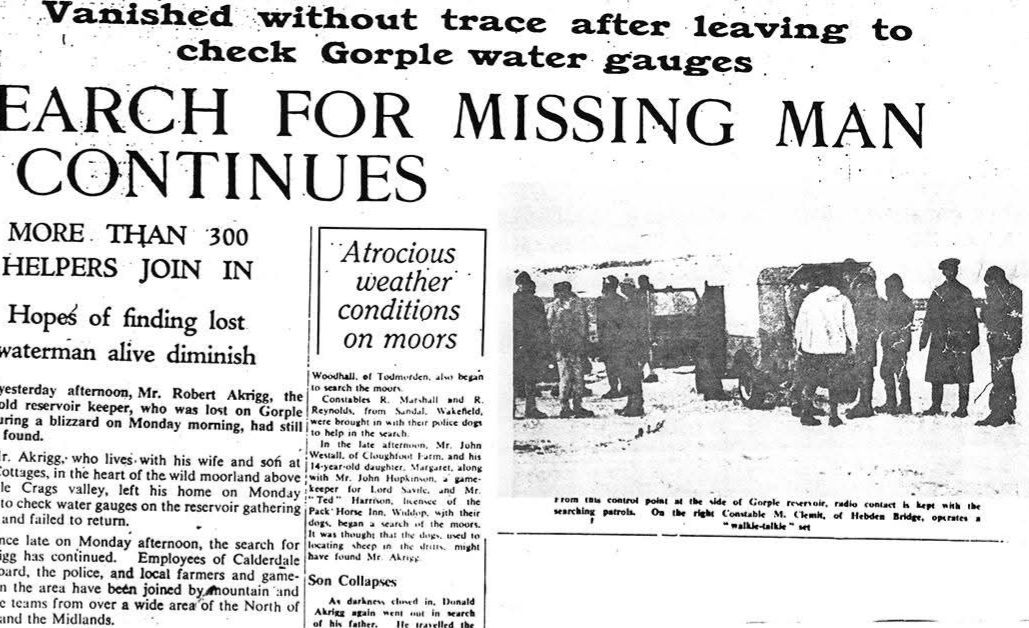
On the 29th November, 1965 – Mr Robert Akrigg, a 55-year-old reservoir keeper, set out from Gorple Cottages in treacherous conditions to check the water gauges at the reservoir, but tragically never returned.
Water Board employees, accompanied by the police, local farmers, and estate keepers, were joined by Mountain and Fell Rescue Team members from across the north of England to begin the search in earnest.
As the week progressed, the search mounted in intensity, and by the third day, more than 300 people were searching the moors and stayed from first light until dark without success. With the passing of days, the hope of finding Mr Akrigg alive diminished; however, the searchers never gave up. Throughout the search, the wintery conditions were relentless with a biting cold wind causing an icy ‘smoke’ over the whole moors. It would be 69 days before the body of Mr Akrigg was found.
Over the coming weeks, we will follow the story of the search for Mr Akrigg during the winter of 1965 and into 1966, looking at the search methods used then and comparing them to resources we have available to the team today.
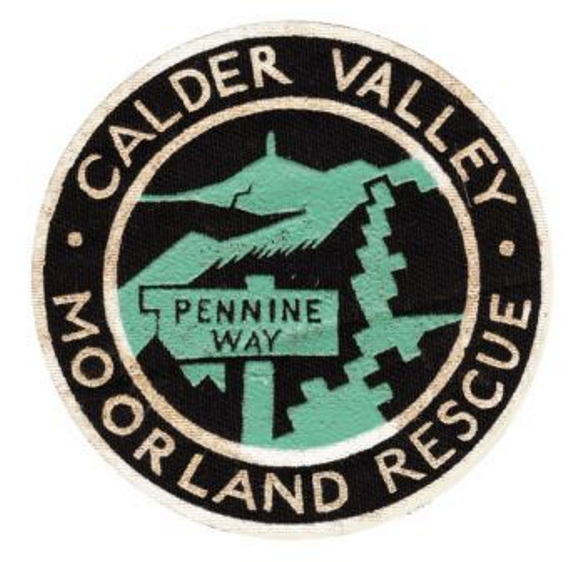
Formation of a Rescue Team for the Calder Valley
In the mid-1960s, local newspaper reports described growing concern about the lack of organised rescue cover across the Pennine moorlands surrounding the Calder Valley. After the disappearance of Robert Akrigg it became clear that searches in the area often had to be organised at short notice and without a dedicated local team.
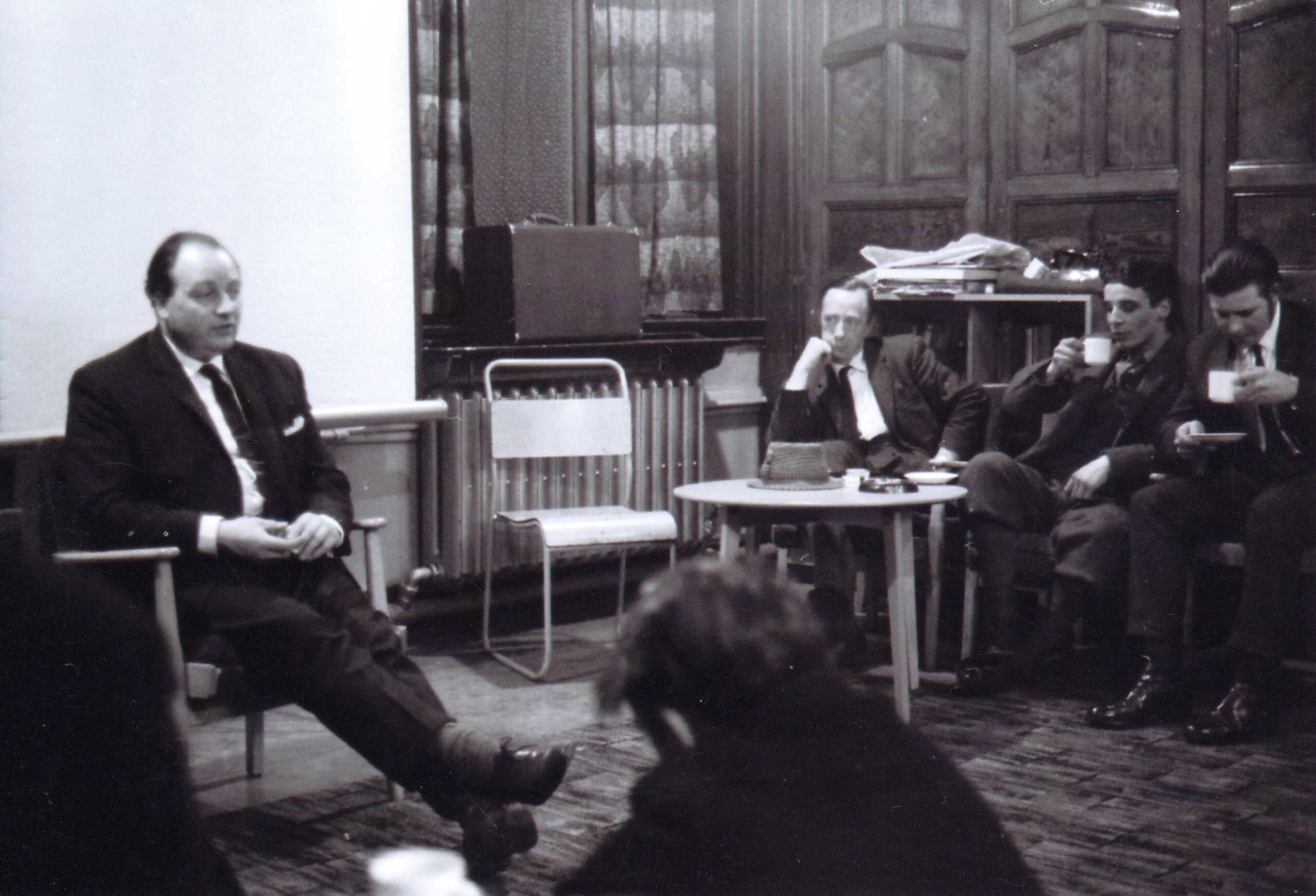
At a meeting held at the Youth House in Hebden Bridge, more than 30 people from across the area gathered to discuss forming a local rescue team. Experienced rescuers explained that the work would demand training, discipline, and commitment. Members would need skills in map reading, compass work, first aid, and searching in difficult weather and terrain.
Despite the challenges, enthusiasm was high. Within a short time the newly formed Calder Valley Moorland Rescue Association had 36 members, with 28 regularly attending training sessions.
At a meeting held at the Pack Horse Inn, Mr Alan Gates of Todmorden was unanimously elected as the first team leader, while Mr W. D. Atkins served as warden and presented the early accounts. Even in those first days, members were already planning fundraising, training exercises, and cooperation with neighbouring rescue teams and the police.
Those early volunteers knew the work would often be difficult and rarely glamorous — as one speaker noted, rescue work meant long searches in bad weather and tough conditions — but it could also be incredibly rewarding, helping people in distress across the moors.
News Articles